AI Takes Control of Computers | AviaryAI Newsletter
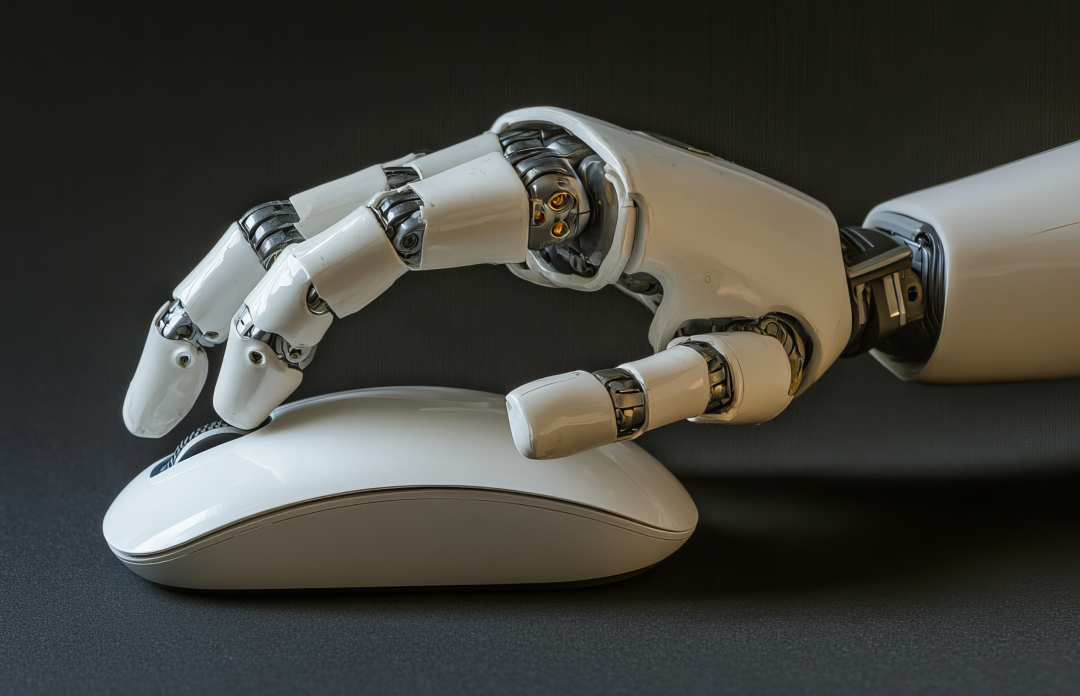
Anthropic's announcement that Claude can now operate computers -- navigating interfaces, filling forms, and completing multi-step workflows autonomously -- marks the arrival of what AI researchers call 'agentic AI.' For credit union operations leaders, this is more than a research milestone: it represents the near-term future of back-office automation, where AI doesn't just answer questions but executes entire workflows independently.
Claude AI Now Controls Computers Like a Human
Anthropic has released major upgrades to their AI models, but the showstopper is a new capability that lets their AI physically control computers like a human would - moving the mouse, typing, and navigating interfaces. This isn't just automation - it's AI that can actually sit at a computer and work through complex tasks involving multiple applications and websites, just like your employees do.
So what?
We're witnessing a fundamental shift from AI that can talk about work to AI that can actually do work. This isn't just another incremental improvement - it's the beginning of AI truly entering the workforce as a capable digital worker. The winners in this transition won't be those who wait and see, but those who start preparing their organizations now for this new paradigm of human-AI collaboration.
Read the full story here
Harvard's New AI Achieves 96% Cancer Detection Accuracy
Harvard Medical School has developed CHIEF, an AI system that diagnoses multiple cancer types with 96% accuracy while also predicting treatment outcomes and patient survival rates. Unlike traditional single-purpose medical AIs, CHIEF can perform various tasks across 19 different cancer types, similar to how ChatGPT handles multiple language tasks.
So what?
CHIEF represents a transition from narrow, single-task systems to versatile, multi-purpose platforms that maintain high accuracy across various applications. This breakthrough shows that, in some cases, we don't need separate AI systems for every task - a well-designed AI can handle multiple complex responsibilities while maintaining high performance standards.
White House Unveils Sweeping National Security AI Framework, Mandating Safety Testing and Oversight
The Biden administration has issued a comprehensive memorandum establishing new requirements for AI safety testing, governance, and risk management across national security agencies. Most notably, it requires agencies to assess AI systems for risks related to cybersecurity, biosecurity, and potential misuse before deployment, while establishing clear guidelines for organizational governance and risk management.
So what?
The framework's emphasis on pre-deployment testing, dedicated AI leadership roles, and formal risk management processes provides a blueprint for what responsible AI adoption looks like. Organizations should view this as an early indicator of coming industry standards and start thinking about how to implement similar governance structures and testing protocols now. Those who wait may find themselves scrambling to catch up as these practices become standard expectations across industries.
System Prompt
A system prompt is a set of instructions that tells an AI how to behave and respond during conversations. It defines the AI's role, tone, and boundaries – similar to a character brief for an actor. While users don't see these instructions, they're essential in controlling how the AI interacts, whether it's acting as a teacher, programmer, or creative assistant.

Waymo Closes $5.6B in Fundraising for AI-Driven Transportation
Alphabet's self-driving unit Waymo just secured a massive $5.6 billion funding round, bringing their total raised capital to over $11 billion. The company currently operates in several major cities, conducting more than 100,000 weekly trips, with plans to expand beyond their current markets. What's particularly noteworthy is how the service has found unexpected success among specific demographics - women concerned about safety with human drivers and parents seeking reliable transportation for their teens.
So what?
Success often hinges more on trust-building than technical capability. While Waymo's technology is impressive, their real breakthrough has been identifying and serving specific user needs (safety for women, reliable teen transport) that build trust through practical value. For leaders implementing AI in any industry, this suggests that instead of focusing solely on technical capabilities, success might come from identifying specific user pain points where AI can build trust through tangible benefits.
Frequently Asked Questions
What is agentic AI and how is it different from current AI tools?
Agentic AI refers to AI systems that can take multi-step actions autonomously -- planning, executing, and adjusting without human involvement at each step. Current AI tools mostly respond to prompts. Agentic AI can initiate tasks, use software interfaces, and complete complex workflows end-to-end.
Is autonomous AI safe to use in financial services?
Agentic AI in financial services requires careful governance -- specifically, defined boundaries on what actions the AI can take, full audit trails, and human review checkpoints for consequential decisions. AviaryAI's voice agents operate with these guardrails built in, ensuring every interaction is logged and escalatable.
How soon will agentic AI be practical for credit union operations?
Simple agentic use cases -- like AI that completes a form after a voice interaction, or that updates a member record after an outbound call -- are available today. More complex multi-system automation will mature over the next 12-24 months.